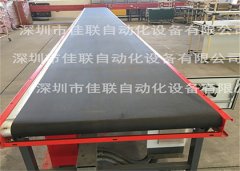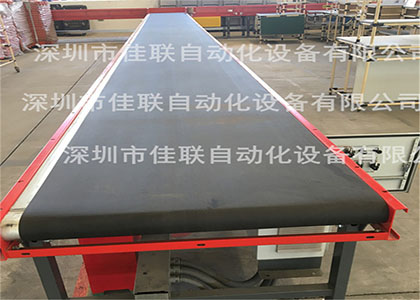
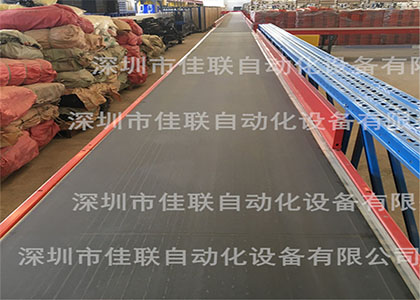
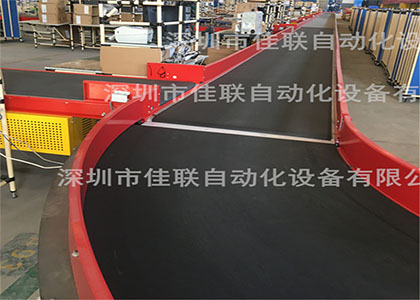
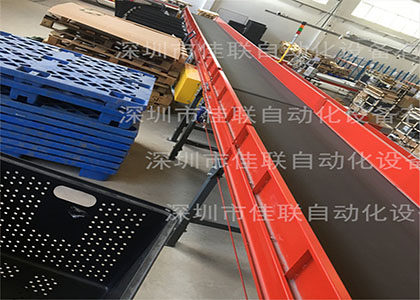
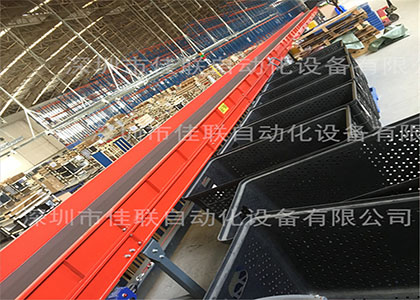
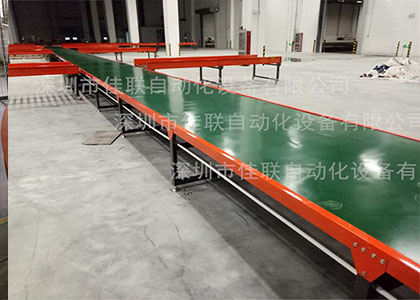
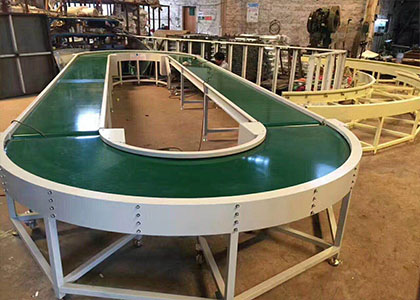
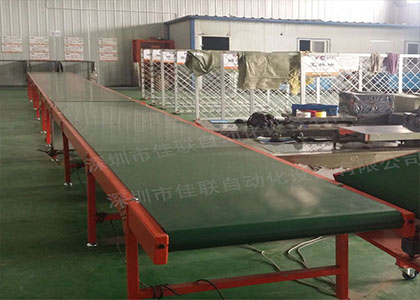
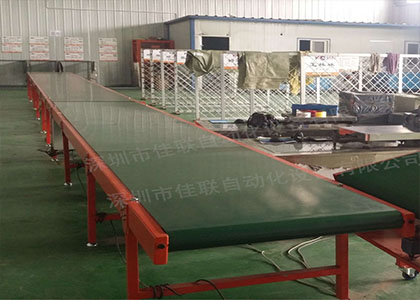
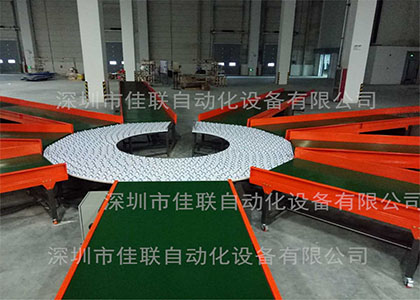
An assembly line, also known as a production line, is an industrial production method where each production unit focuses on one segment of work to boost efficiency and output. According to conveying types, assembly lines are mainly divided into seven categories: belt assembly line, slat chain conveyor, speed chain conveyor, insertion line, mesh belt conveyor, overhead conveyor and roller conveyor. It generally consists of traction parts, load-bearing members, drive unit, tensioner, redirecting device and supporting parts.
Assembly lines are highly expandable. Conveying capacity, speed, assembly stations and auxiliary components (quick connectors, fans, lights, sockets, work boards, storage tables, 24V power supplies, air screwdrivers, etc.) can be customized as required, so they are widely welcomed by enterprises. The assembly line effectively combines manpower and machines to give full play to equipment flexibility. It organically integrates conveying systems, travelling fixtures, special online machines and inspection equipment to meet conveying demands for multiple product types.
Conveying modes include synchronous (forced) transmission and asynchronous (flexible) transmission. With proper configuration, it can fulfill assembly and conveying requirements. Conveying lines are indispensable for mass production in factories.
 WhatsApp
Mobile