Jialian
Product Direct Access
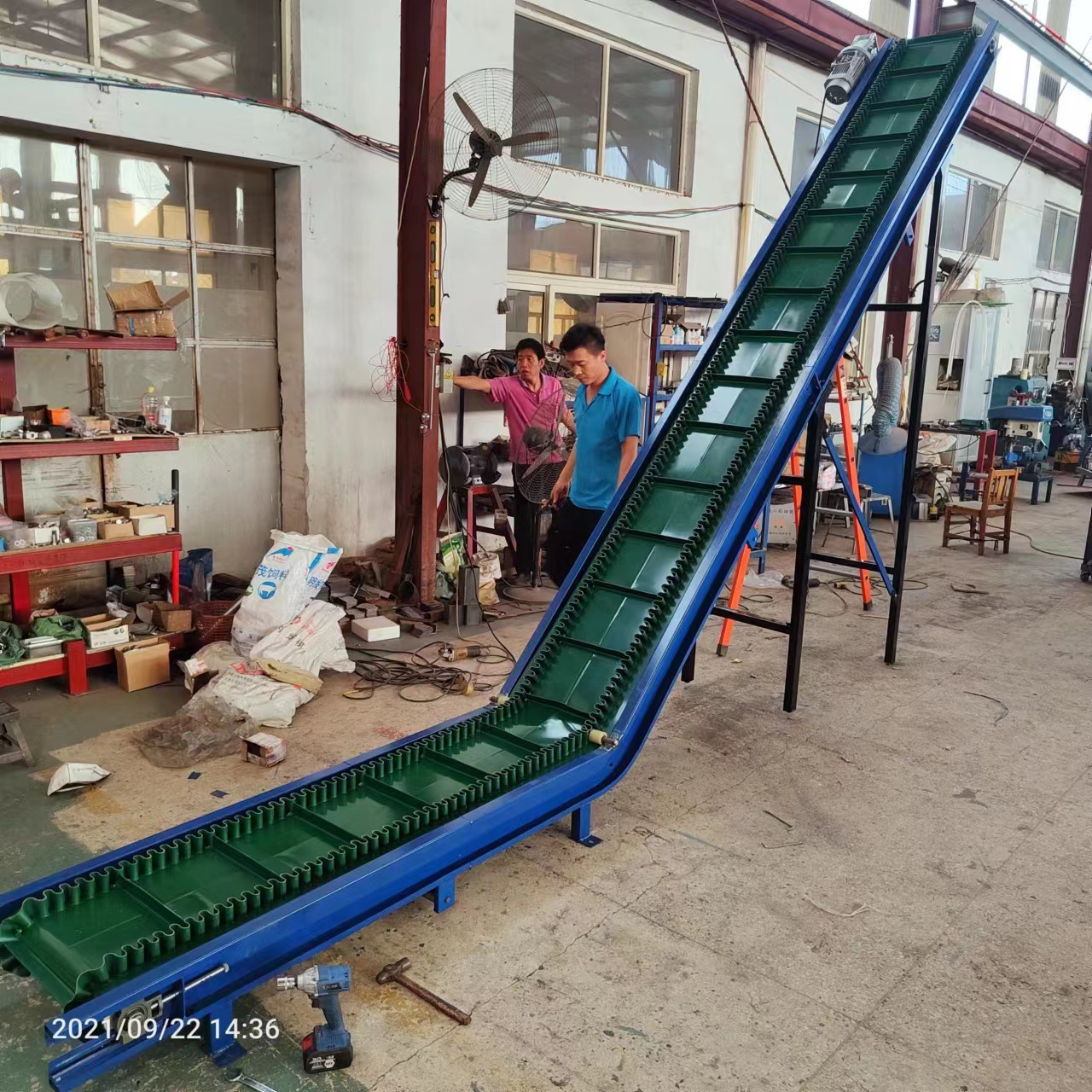
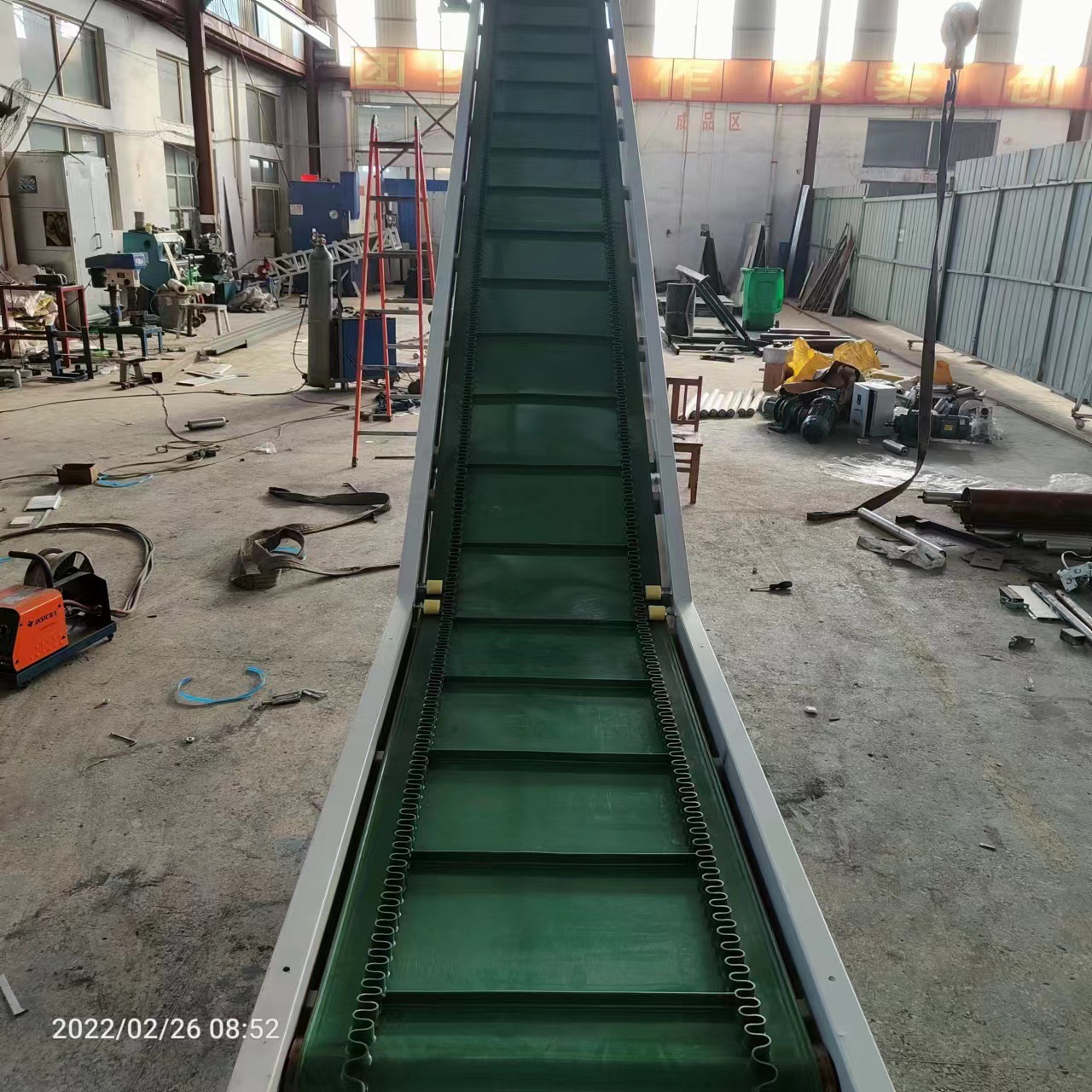
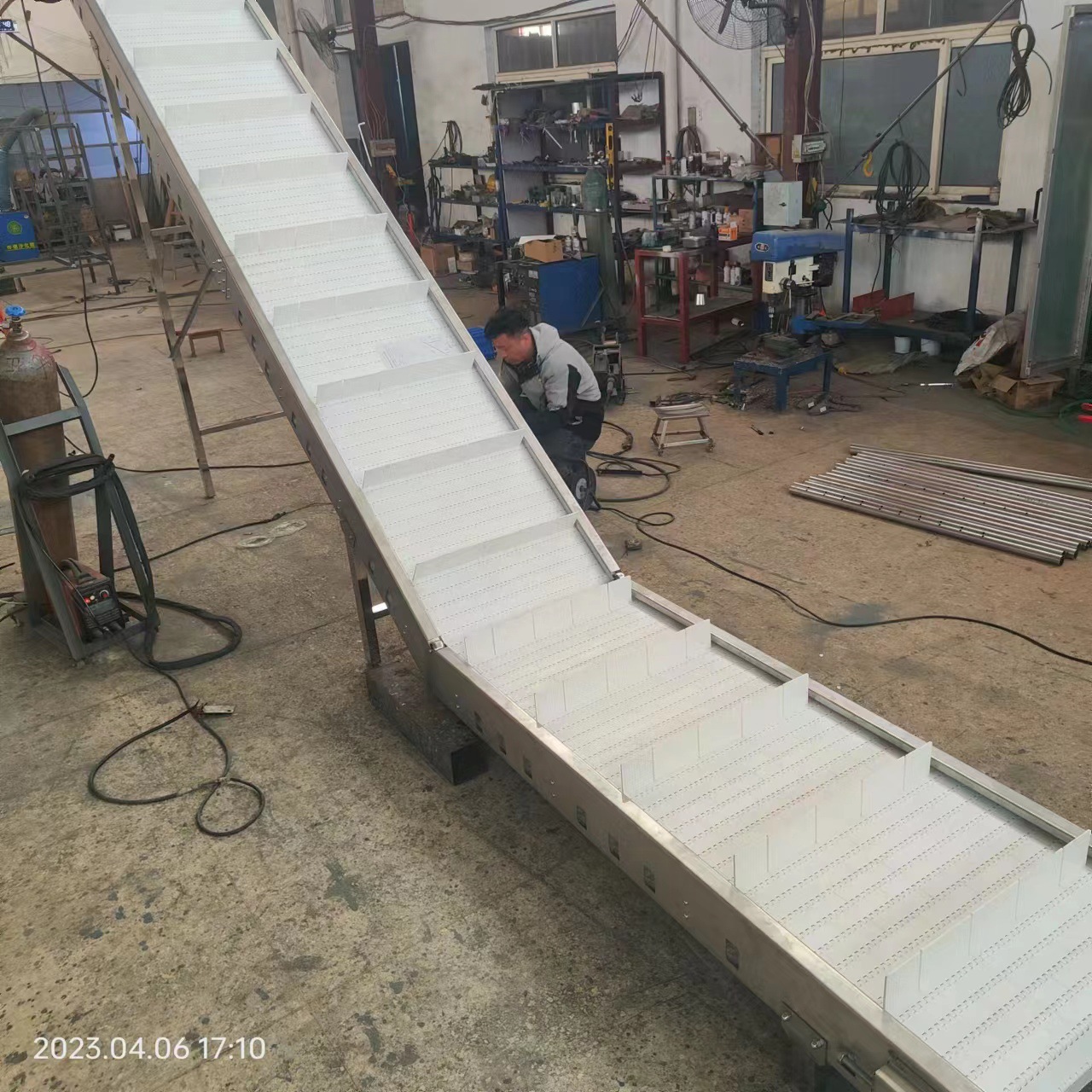
Manufacturer of Express Inclined Conveyor Assembly Lines
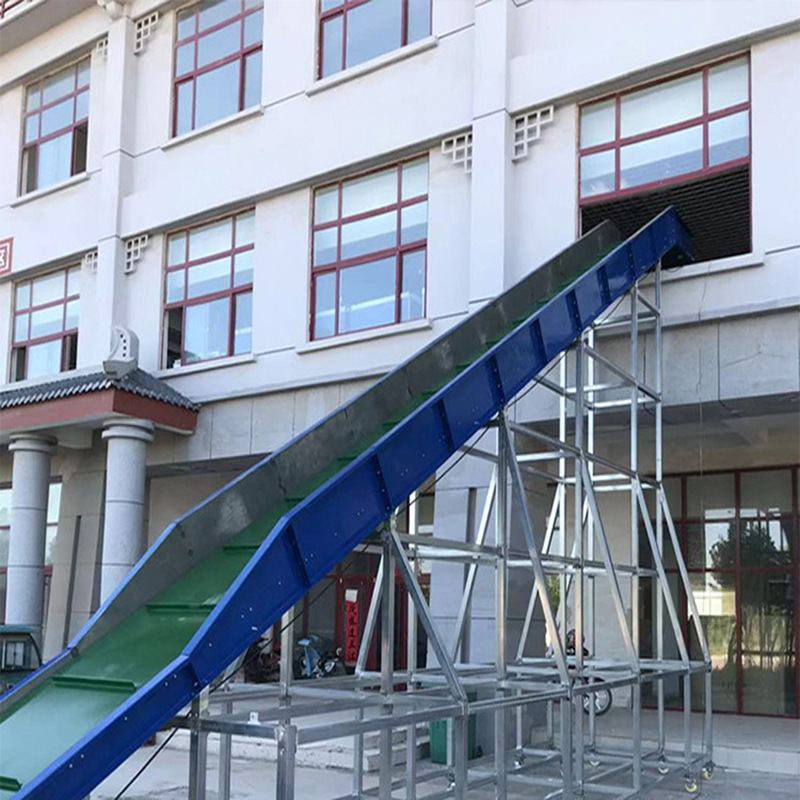
The inclined conveyor is equipment for steep-angle vertical conveying. Its advantages include large conveying capacity, smooth transition from horizontal to inclined section, low energy consumption, simple structure and easy maintenance. The belt features high tensile strength and long service life.
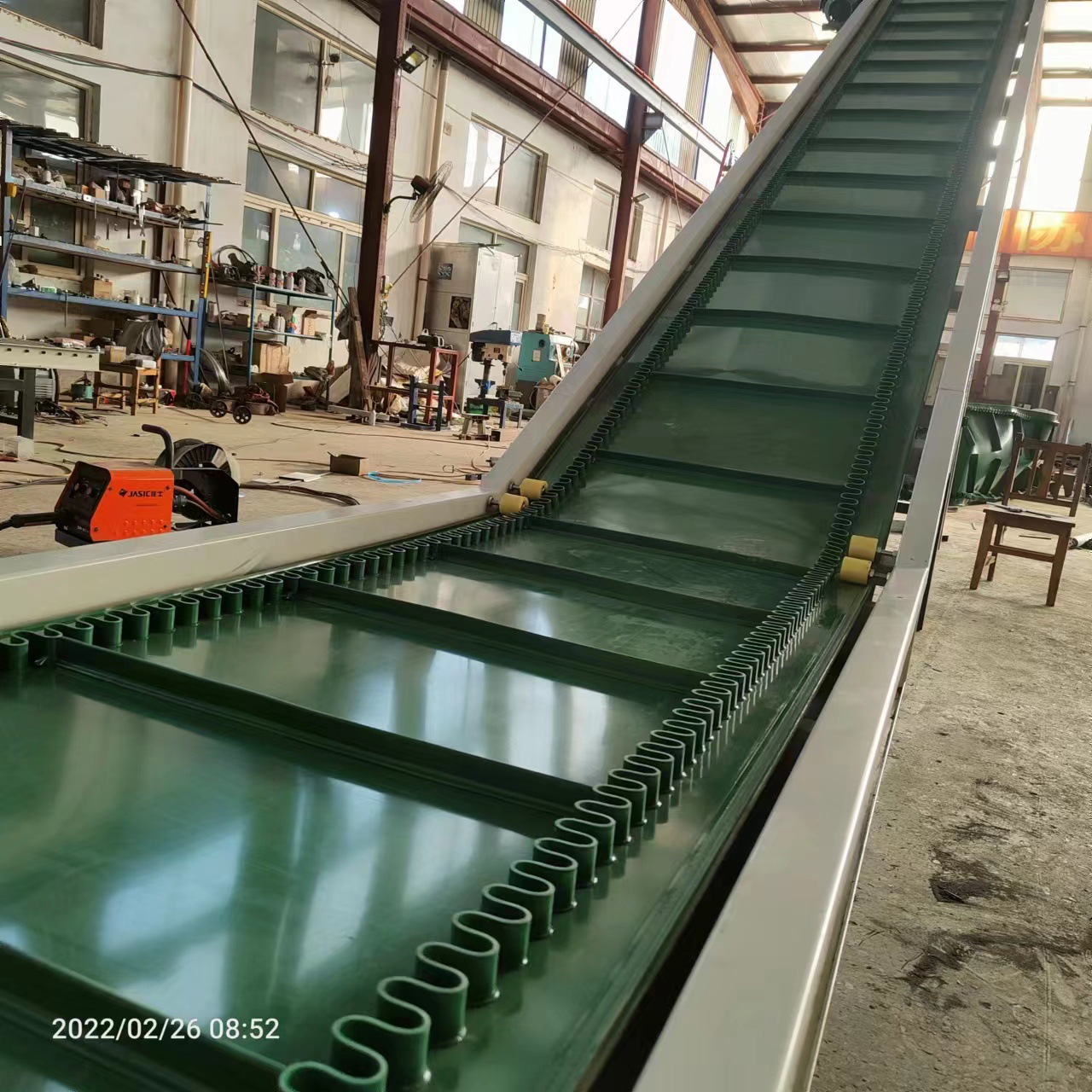
To prevent materials from sliding backward during conveying, inclined conveyor belts with baffles are generally adopted to effectively stop materials slipping backward. Mingcheng Transmission briefly introduces relevant knowledge of inclined conveyor belts below.
The inclined conveyor belt is a type of belt conveyor. Inclined conveyors are used for continuous cargo transportation between floors or slopes. If the bottom friction of goods is sufficient, textured anti-slip belts can be used. Steep-angle inclined belt conveyors require baffles and side skirts fitted on the belt.
Frame optional materials: carbon steel, stainless steel, aluminum profile.
Belt material options: PVC, PU, rubber, Teflon.
Applicable industries for inclined conveyor belts: light industry, electronics, food, chemical, woodworking, machinery and other industries.
Application features of inclined conveyor belts: The belt conveyor runs smoothly with no relative movement between materials and the belt, avoiding damage to conveyed goods. It produces low noise and is suitable for workplaces requiring quiet environments. Simple structure facilitates maintenance, with low energy consumption and low operating cost. Belt types: canvas belt (or nylon belt), plastic belt, anti-static PVC belt, rubber belt (rubber belt with steel wire for heavy loads), metal mesh belt, etc.
Conveying angle for inclined belts: Preferably no more than 13 degrees. If over 13 degrees, cleats on the belt surface or rough textured belts with high friction are required. When manufacturing inclined belt conveyors, guardrails on both sides or side skirts are normally installed to prevent goods from falling off during transportation.
(1) After all equipment installation, carefully adjust the belt conveyor to meet drawing requirements. (2) Fill corresponding lubricating oil into each reducer and moving components. (3) After installation, conduct manual trial run for each unit, then joint commissioning to meet operation requirements. (4) Adjust the electrical system of the belt conveyor, including basic wiring and motion debugging, to ensure stable performance and achieve designed functions.
 WhatsApp
Mobile