Jialian
Product Direct Access
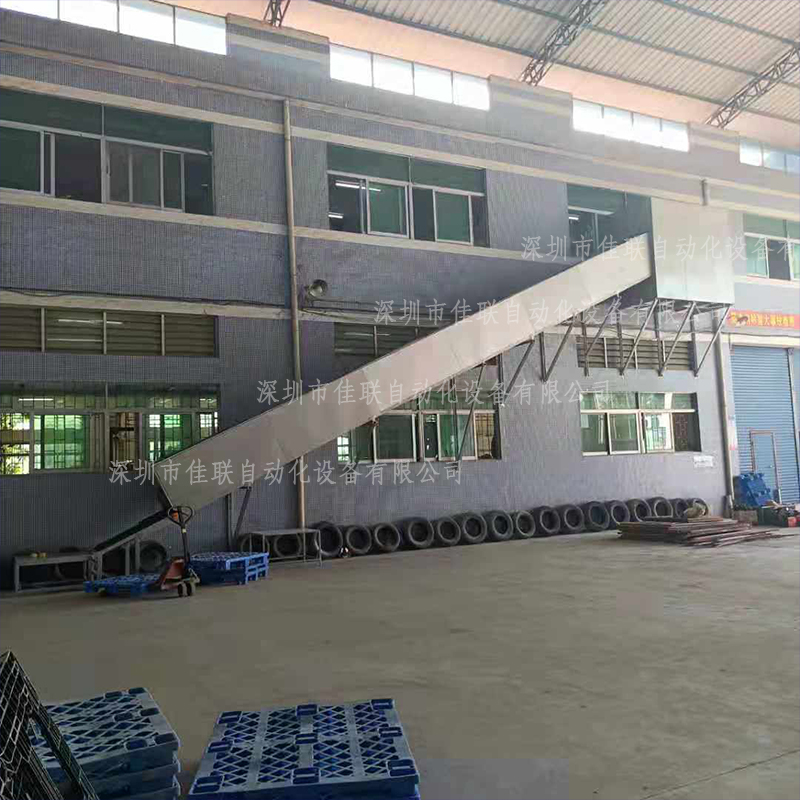
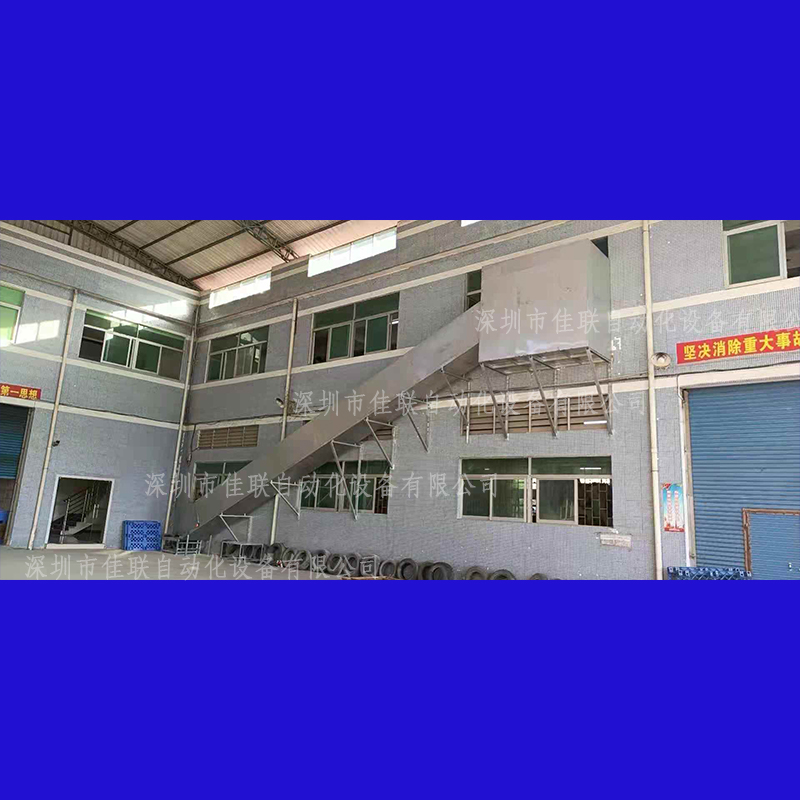
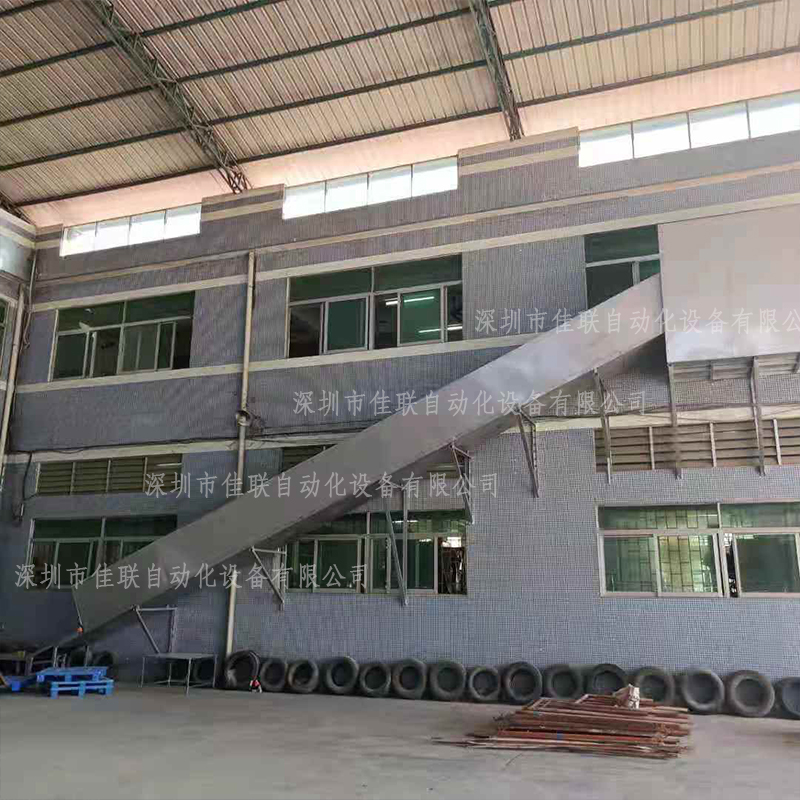
The main parameters are generally determined by the requirements of the material handling system, site conditions at material loading and unloading locations, relevant production processes and material characteristics.
① Conveying Capacity: It refers to the quantity of materials transported per unit time. For bulk materials, it is calculated by mass or volume per hour; for unit packaged goods, calculated by pieces per hour.
② Conveying Speed: Higher conveying speed increases conveying capacity. For belt conveyors with long conveying distance, higher speed is adopted. Nevertheless, high-speed belt conveyors shall take vibration, noise, start-up and braking issues into consideration. For conveyors using chains as traction members, the speed should not be excessively high to avoid increased dynamic load. For conveyors used together with on-line process operations, the conveying speed shall comply with production process requirements.
③ Component Dimensions: Component dimensions include conveyor belt width, slat width, hopper volume, pipe diameter, container size, etc. These dimensions directly affect the conveying capacity of the conveyor.
④ Conveying Length and Inclination Angle: The length of conveying route and inclination angle directly affect the total resistance and required power of the conveyor.
Flexible direction change; conveying direction can be adjusted freely with a maximum angle up to 180°. Each unit of the conveyor consists of 8 rollers. Each unit can operate independently or connect with multiple units for combined application, featuring easy installation. Telescopic structure; the ratio between maximum and minimum length of one unit can reach 3 times. The conveying direction can be flexibly adjusted, exceeding 180° at maximum.
 WhatsApp
Mobile